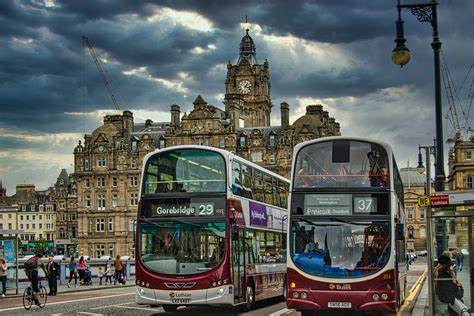
From Lima to Berlin: How Urban Design Shapes the Way We Move
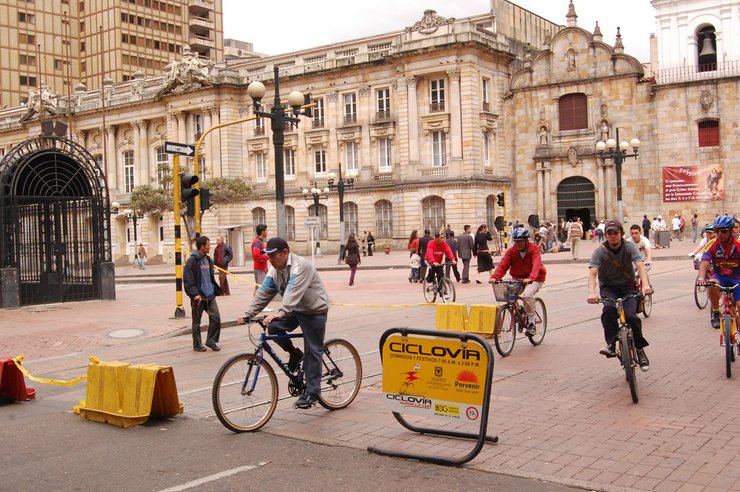
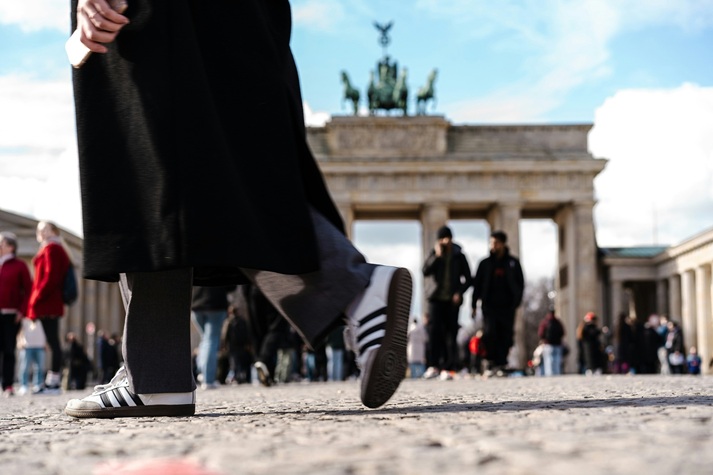
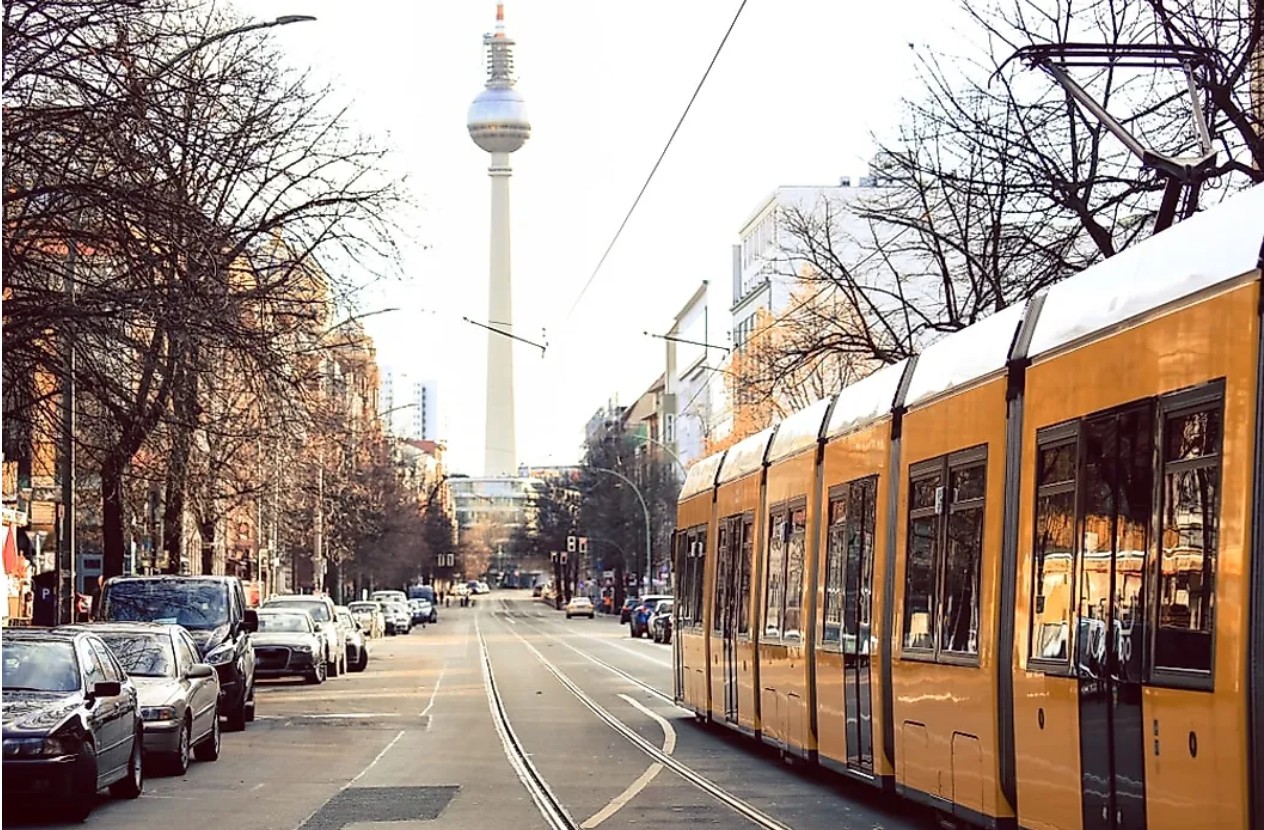
I am Peruvian and have lived for long periods in both Lima and Berlin. This...

Stay Updated
I am Peruvian and have lived for long periods in both Lima and Berlin. This...
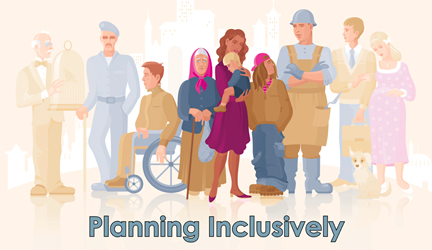
Inclusive urban design is no longer a peripheral concern in European planning. It has become...
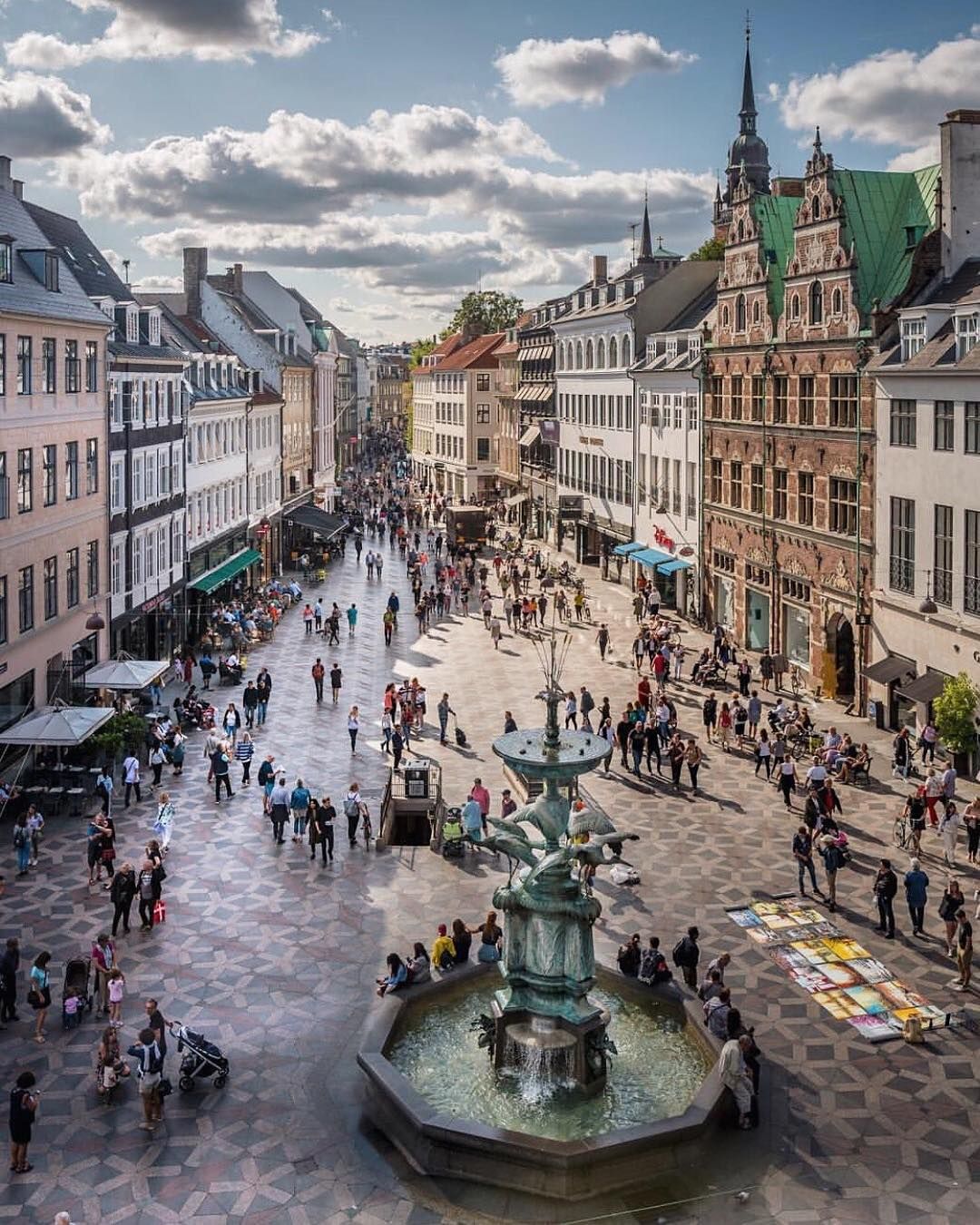
In urban planning, pedestrianisation is one of the most polarising interventions a city can attempt....
As India accelerates its shift toward sustainable transport, electric mobility has emerged as both an innovation frontier and an investment magnet.
Understand the complexity behind carbon emission documentation before starting the journey towards sustainable mobility for your organisation.
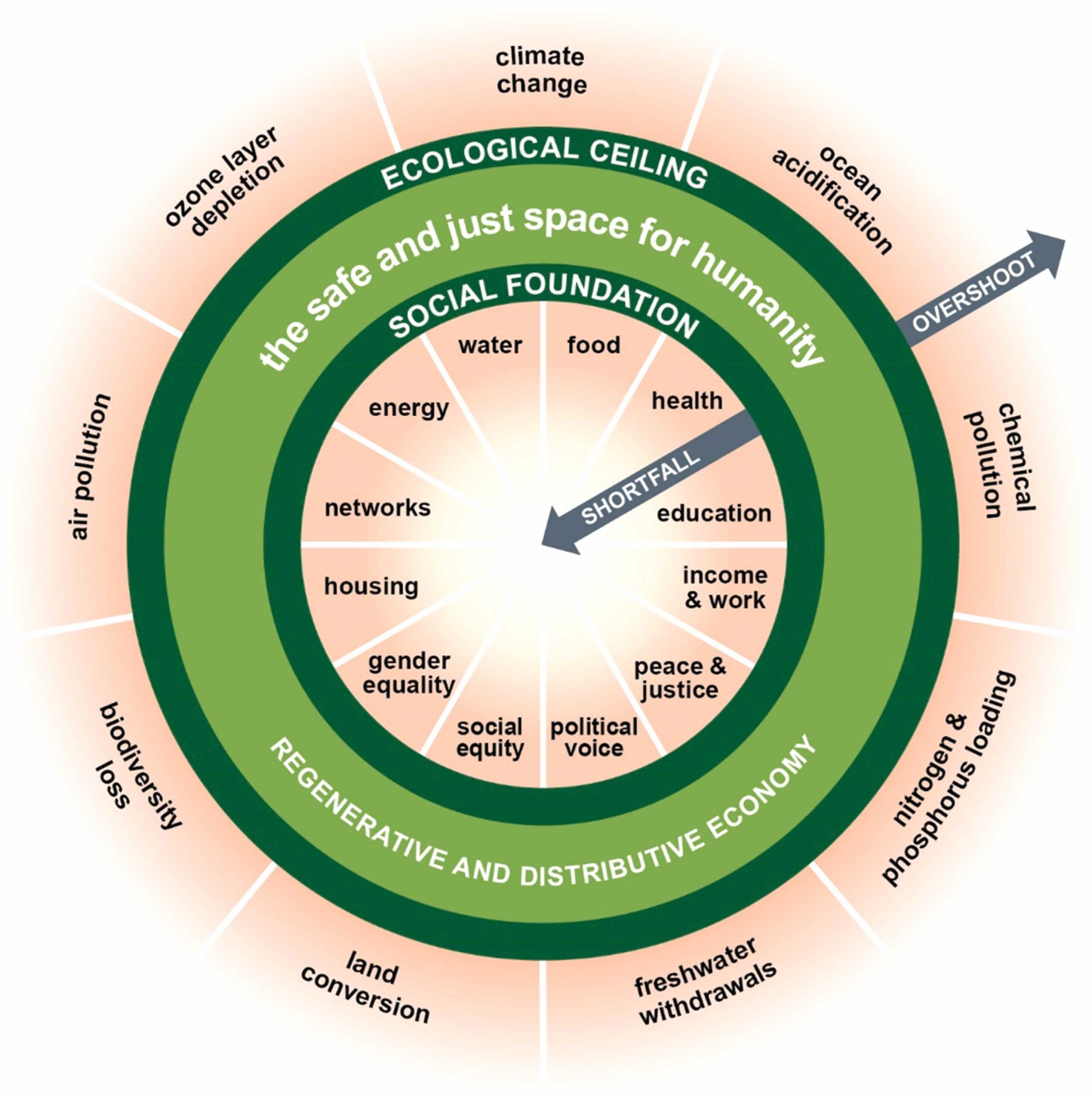
Contemporary societies consume these natural assets vastly beyond the sustainable level, leading to crossing the threshold of planetary boundaries.
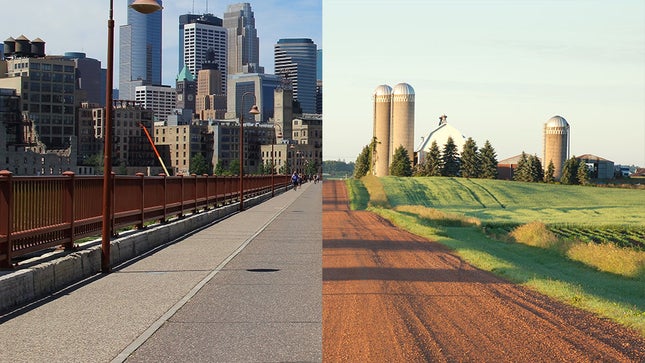
Urban and rural areas represent two systems of interaction and symbiosis. Throughout history, the urban-rural...
The central component of the Sustainable Development Goals pertains to goal 11.2, which emphasizes sustainable...
Urbanization is intrinsically linked to and can function as a transformation driver of sustainable development....
The complex and interconnected global issues of climate change, dwindling resources, limited water availability, and...
Digital Public Infrastructure (DPI) refers to a set of open and interoperable digital platforms designed...
The joint declaration between the USA and India is a major step forward in the fight against climate change.
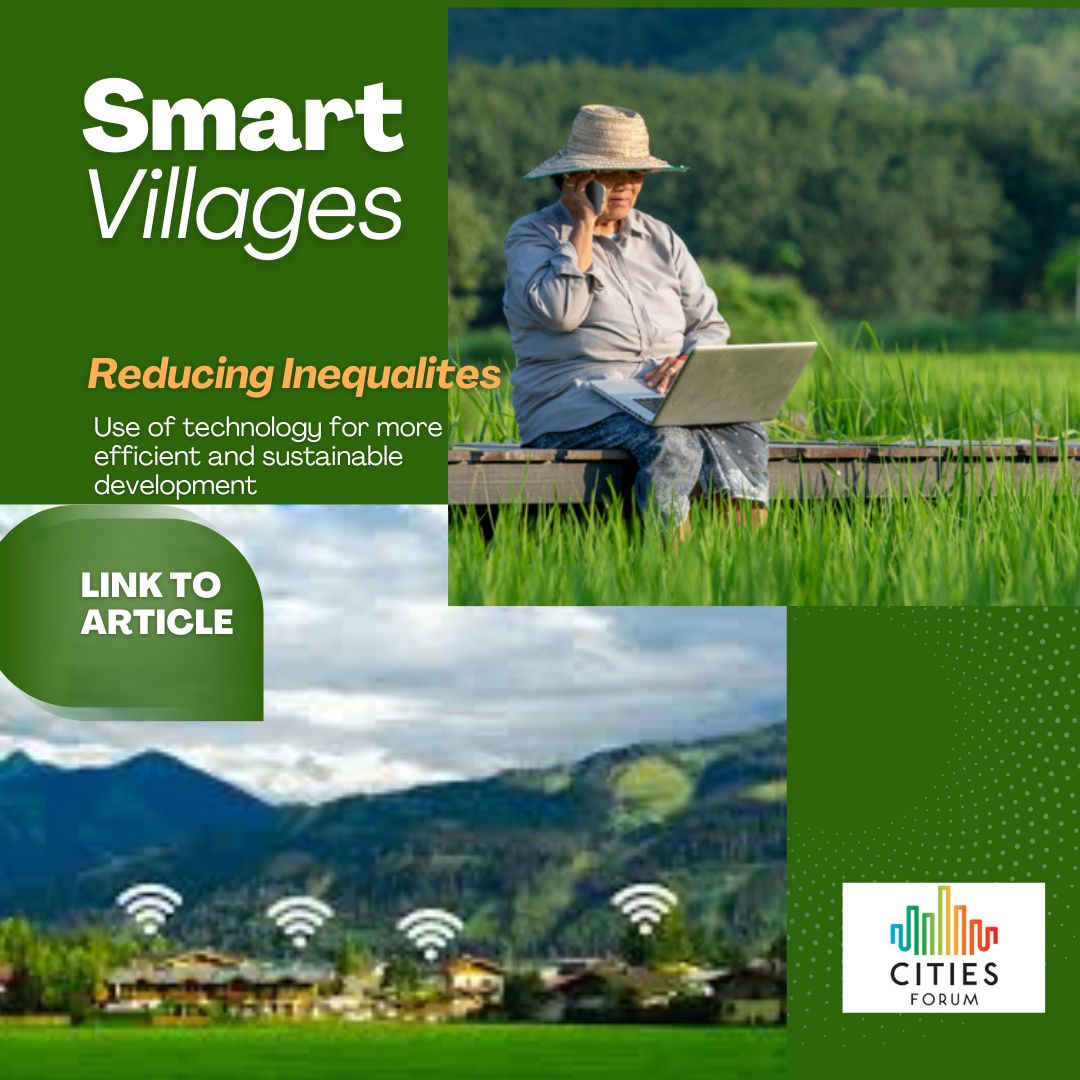
The creation of smart villages could address the failure to consider rural and suburban areas in the smart revolution that has created a greater imbalance in the built environment.
Lifestyle choices, changes to demographic structure, and the environment have increased the risk of public...
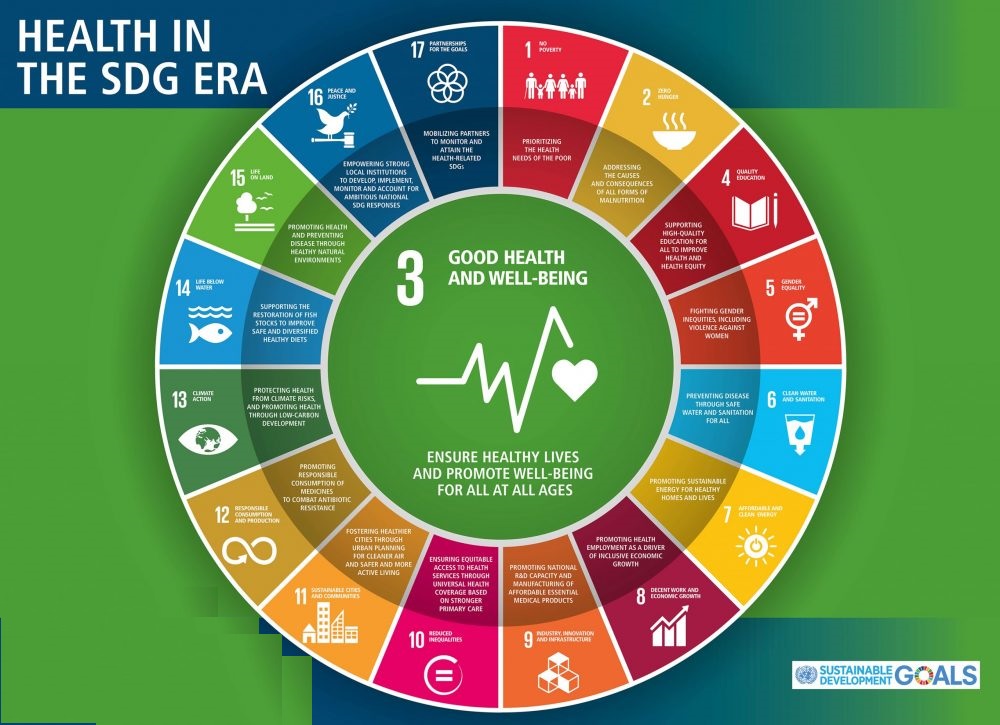
Changing health needs and ambitious new health goals are raising the bar for health systems to produce better health outcomes and greater social value.
Climate change is clearly evident globally and is becoming more perceptible at the regional and local spatial dimensions.
The negative impacts of climate change become more intense every year. The climate crisis is...
Cities will bear a disproportionate amount of the effects of climate change, and city leaders are likely the most proactive climate change activists.
As the world moves toward the third decade of the 21st century, the greatest threat...

A city is a service organization that provides value-added services to its residents. Digitalization enables cities to provide digital services without contraint of time and place.
Cities are global centers of culture, innovation, livelihood opportunities, and economic growth. They can address many of the challenges the world currently faces.
By enlarging their spheres of influence and crossing set administrative limits, most western cities have...

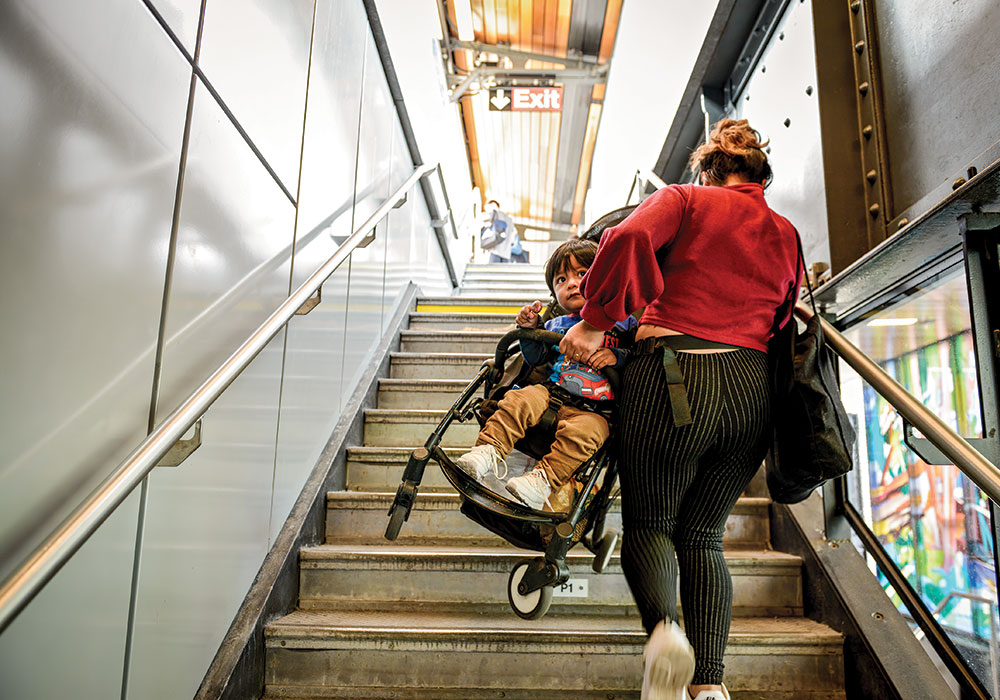
A city in which women, girls and gender minorities of all ages and abilities can get around easily and safely, participate fully in the workforce and in public life…
Public debates have emphasized the importance of going beyond gross domestic product (GDP) as the single measure of development in a region and focusing on…
In planning transportation infrastructure role of equity is significant.

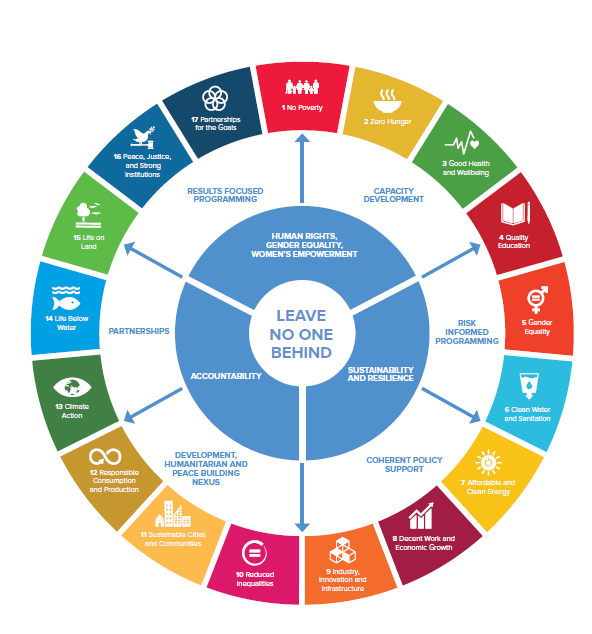
Living no one behind (LNOB) is the central transformative promise of 2030 agenda for sustainable development.
The transport sector is responsible for a large share of the EU’s greenhouse gas emissions.
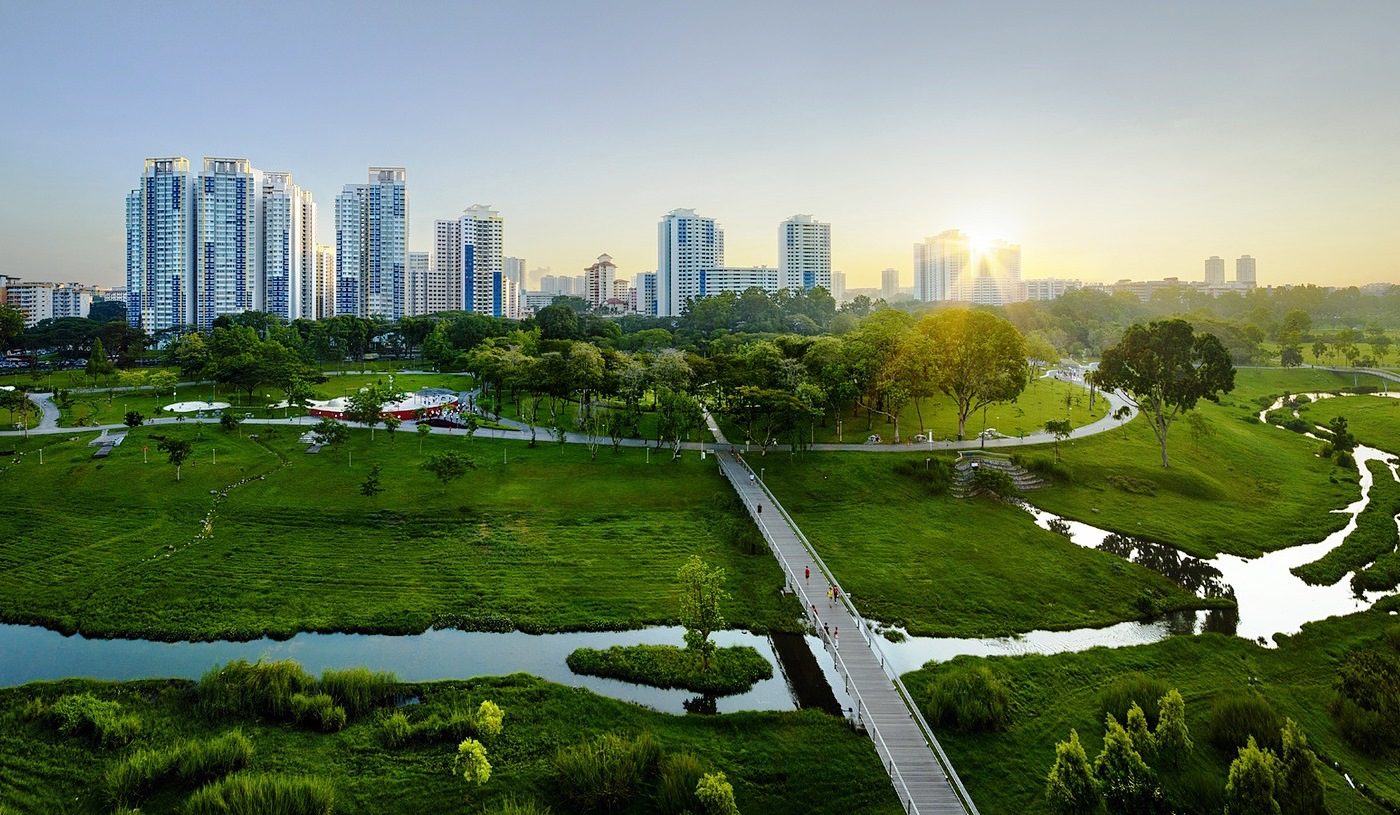
Cities are central to embracing responsibility for citizens’ well-being and the environment. Nature-based infrastructure (NBI) provides cost-effective and climate-resilient infrastructure solutions.
The elderly population happens to be a passive yet indispensable segment of our society. Over time, they have been portrayed as insufficient and dependent creatures, incapable of living on their own.
Humanitarian crises at the core are a result of urban crises. Urban planning, pre-stocked resources and resilience strategies matter the most.
The fundamental tactics of the compact city for accomplishing sustainability goals are its compactness, density, diversity of land use and jobs, sustainable transportation, and green spaces.
Public spaces that work the best make people feel connected to their immediate surroundings. Public spaces consist of numerous design elements.
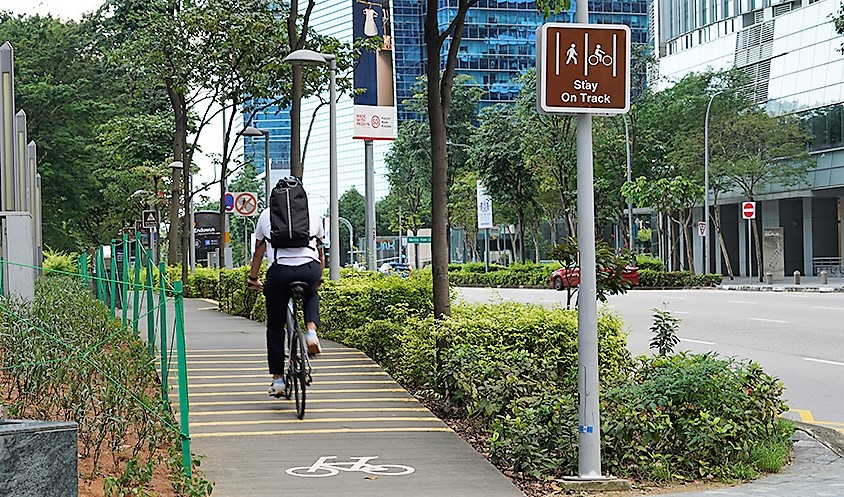
Increasing negative recognition of the private automobile has emerged over recent years. One of the rising trends in sustainable transport is the Bicycle-Sharing Program (BSP).
Over the years, many technologies and solutions came up that contributed to creating vibrant cities.
Intelligent Transportation System(ITS) combines information and technologies to improve the transportation network’s safety, efficiency, and sustainability.
A greater share of public transport is currently seen as necessary in addressing the important environmental objectives of improving urban air quality and controlling greenhouse gas emissions.
The Intergovernmental Panel on Climate Change (IPCC) has finalised the second part of the sixth assessment report, Climate Change 2022: Impacts, Adaptation and Vulnerability.
Mass transit systems shape the city’s form and distribution of its economic activities.
The pandemic has severely damaged global prosperity and the world bank estimated that around 88 million new people pushed into extreme poverty in 2020.
‘Shared mobility’ has emerged as a service that enables people to use mobility on an “as-needed basis”.
Cities experiencing the fastest growth are struggling to adapt to growth and industrialisation, stifling under the weight of pollution, congestion and urban poverty.
Cities have historically been established and developed in or near ecosystems that provide abundant aid to urban societies, including water, rich soils and protection from extreme weather events.
NMT take larger share in developed countries than developing countries.
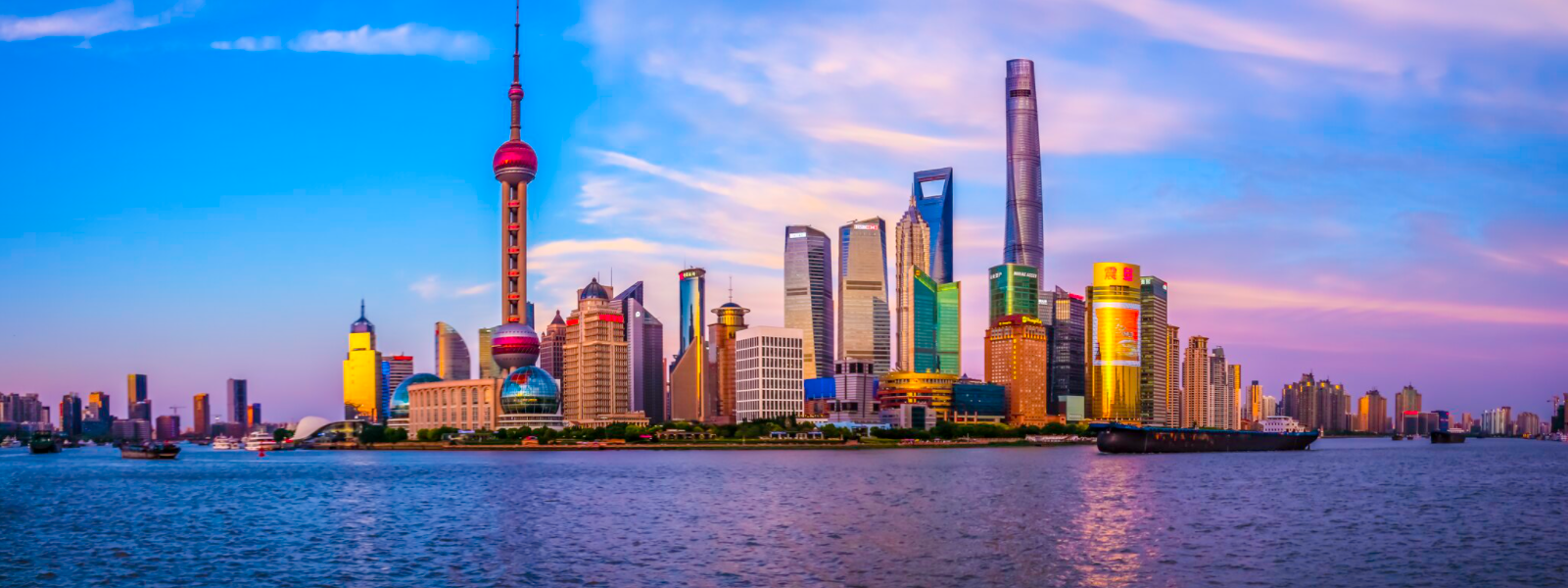
Shanghai ranked number one in juniper research's ranking of smart cities for 2022.
Capitalism drives the world and paves way for growth.
Green hydrogen could be a critical enabler of the global transition to sustainable energy and net zero emission economy.
Cities Forum has been awarded with the "Consulting category award" of the Middle East International Business Awards 2021 with its notable initiative on leveraging…
This commentary on the 2041 Master Plan for Delhi highlights the authorities' efforts, the plan's achievability, and identifies areas for improvement.
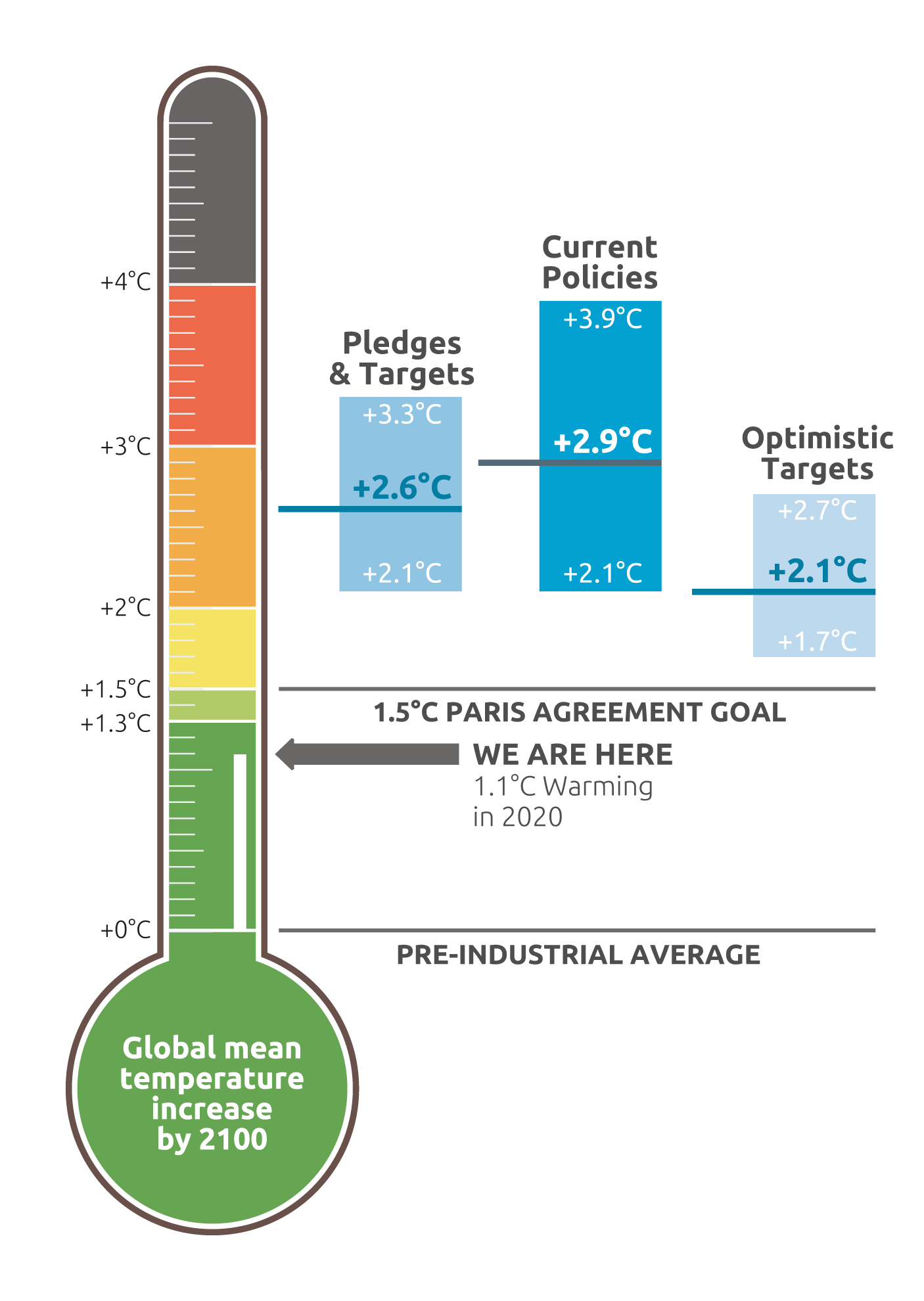
We must achieve 2030 targets to keep the global temperature below 1.5°C and for the long-term Paris Agreement goals and fight climate change.
Barcelona is turning into a giant superblock, and the world is rooting for it... taking inspiration from Barcelona’s ‘Superblock’ concept.
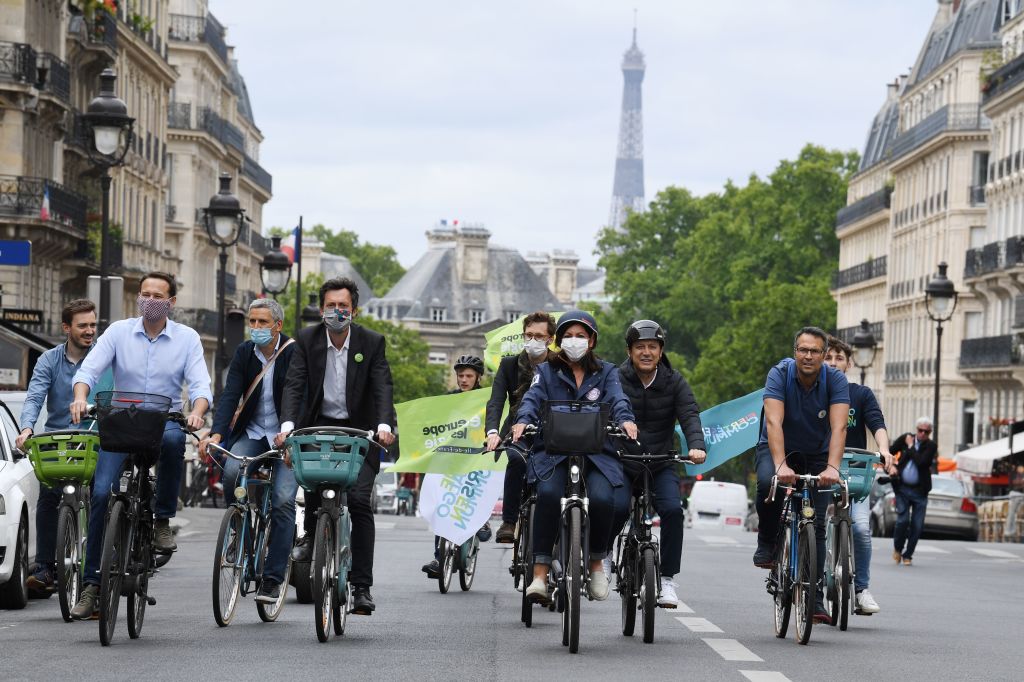
The 15-minute city concept is for people to live, learn and thrive within a 15-minute radius by foot or bike. People accepted the change wholeheartedly.
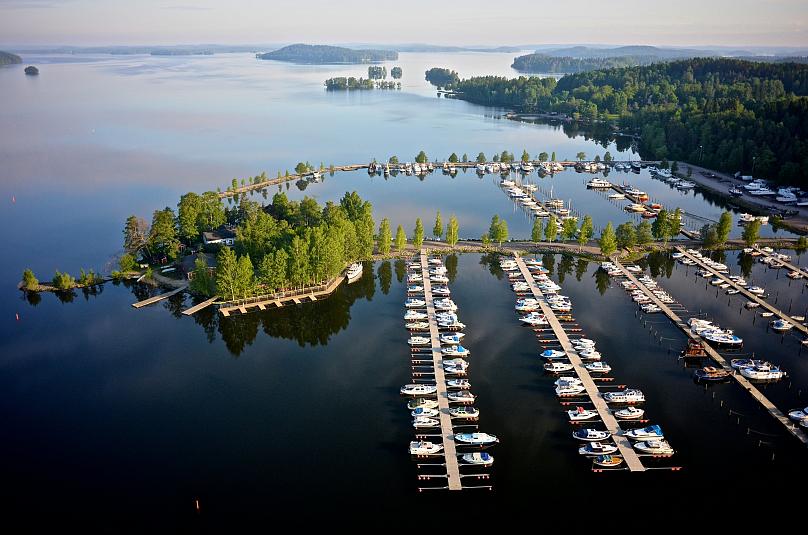
Leading on the principles of Circular Economy and Green City, Lahti, Europe’s green ambassador for the year, is making way for a carbon-neutral lifestyle.
Gender-inclusive city design is acknowledging how women encounters the city...designing for women requires specific elements in the public realm.
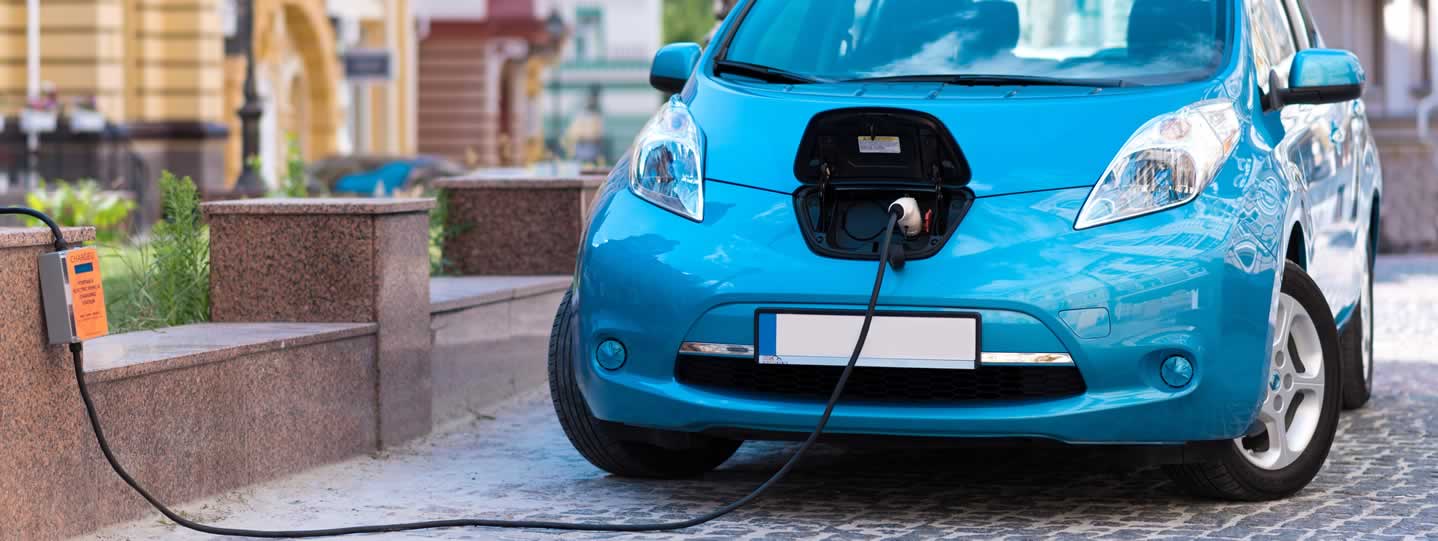
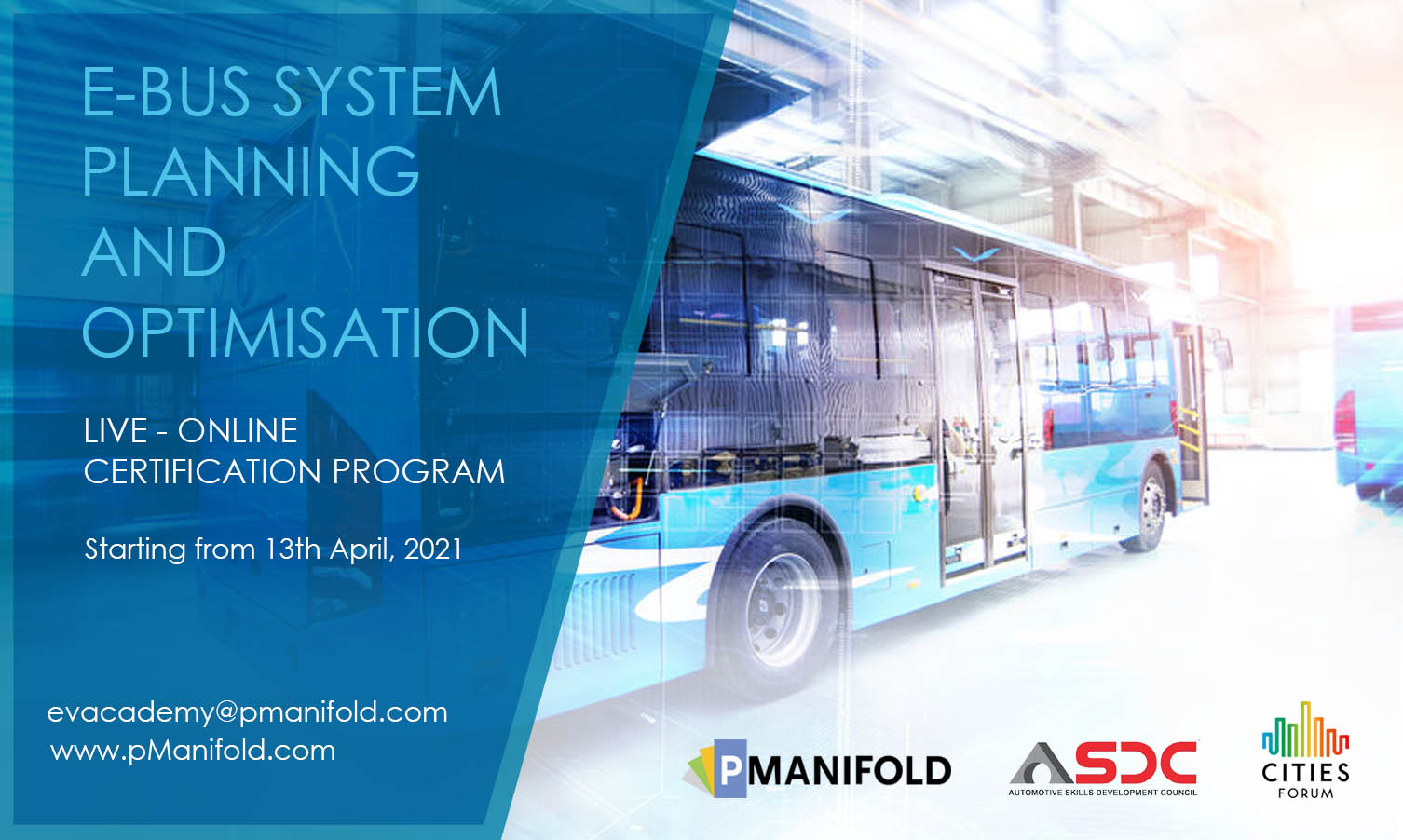
CITIES FORUM is strategic partner at a series of #emobility courses prepared and deliverd by Pmanifold, a wellkown consulting company focussed on building…
Urbanisation without paying attention to the declining grade of the surface is leading to sinking of cities – and it is not because of climate change alone.
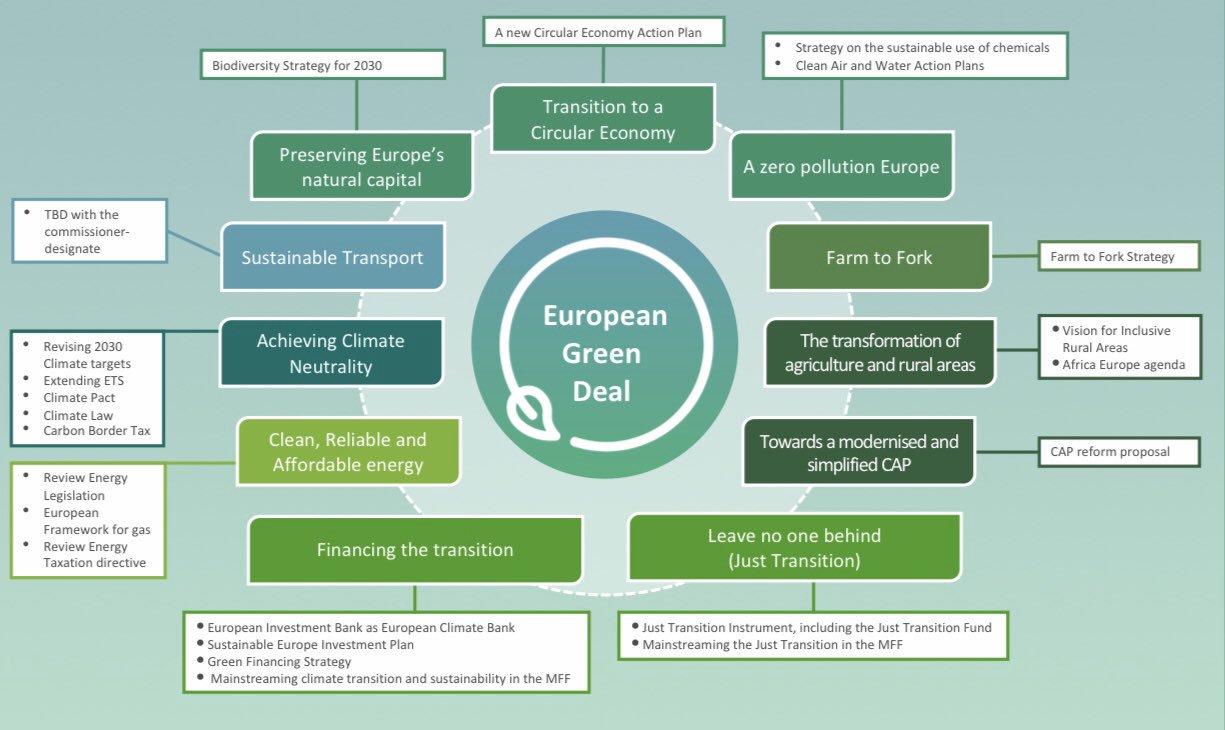
...the European Green Deal is precisely what the world needs. Last year changed our perception of climate change... the path ahead seem blurry.
We were already far from achieving the set SDGs by 2030. Amidst the current COVID-19 pandemic...the SDGs are all interconnected.
The 5G Forum is consolidated as the main event of reference specifically on the 5G in Spain, and will be held on the 24th and 25th April in Málaga.
Cities Forum will be partner of the Institute for Eastern Studies that is responsible for organizing the 5th European Congress of Local Governments to be held on April 8th in Cracow.
Cities Forum has signed a cooperation agreement with The Latin American Association of Integrated Systems for Sustainable Urban Mobility – SIMUS
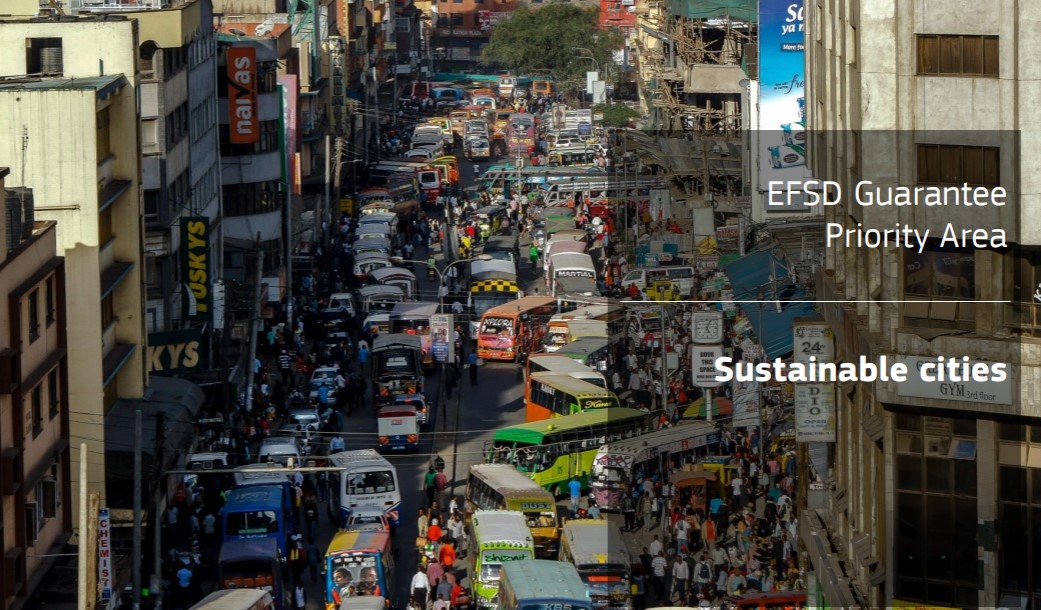
The European Commission and FMO have signed the first EU guarantee agreement under the European Sustainable Development Fund (EFSD) for Sub-Saharan Africa and the European Neighbourhood.
Delivering on its strategy on artificial intelligence adopted in April 2018 today the Commission presented a coordinated plan prepared with Member States to foster…