Tourism Governance Model for Cartagena
Cities Forum designed a comprehensive tourism-governance framework for the City of Cartagena, responding to the growing complexity of a destination that blends cruise, cultural, heritage and coastal tourism.
Year: 2024–2025 | Client: Cartagena City Council (Ayuntamiento de Cartagena) | Country: Spain
Cities Forum designed a comprehensive tourism-governance framework for the City of Cartagena, responding to the growing complexity of a destination that blends cruise, cultural, heritage and coastal tourism. As visitor numbers and economic stakes rose, the city needed a clear way to align public administrations, private operators, cultural institutions and civil society around a shared, sustainable vision, and to manage the tensions between tourism growth and residents' quality of life.
Our approach
The assignment began with a diagnostic of the existing governance landscape, benchmarked against comparable Spanish and Mediterranean destinations, which surfaced coordination gaps across tourism promotion, heritage management, mobility and commercial activity. On this basis the team designed a multi-level governance model centred on a formal Tourism Advisory Council (Consejo Asesor de Turismo), supported by thematic working groups, an inter-departmental municipal governance protocol and transparent decision-making procedures. The design deliberately balanced institutional authority with genuine participation, so that the model would be both operable within municipal structures and credible to external stakeholders.
What we delivered
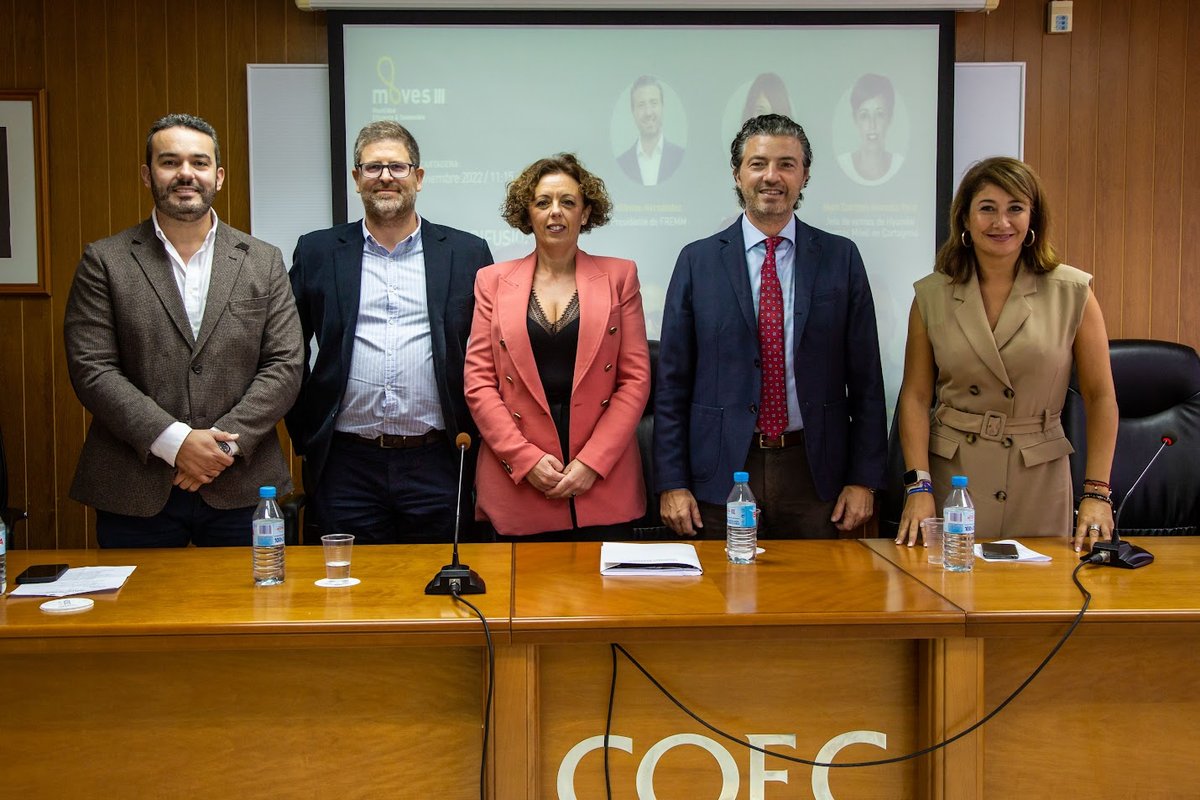
Around this institutional core, Cities Forum defined stakeholder-engagement mechanisms, a tourism communication strategy with campaigns and narratives, and a data-management approach to support evidence-based coordination. Deliverables included the institutional design documents, by-laws for the advisory bodies, role descriptions, participation methodologies, the communication plan, and a set of monitoring indicators to assess governance effectiveness over time. A series of capacity-building workshops (Jornadas) engaged local stakeholders directly in validating the model, resolving concerns and building the collective ownership on which any governance structure ultimately depends.
Impact
The framework equips Cartagena to manage its tourism ecosystem in a sustainable and inclusive way: reconciling cruise, cultural, heritage and coastal flows, addressing seasonality and pressure on public space, and protecting resident well-being while sustaining economic benefit. Aligned with the Spanish Sustainable Tourism Strategy 2030 and European destination-management principles, the model positions Cartagena as a leading Mediterranean destination governed through modern, transparent, public-private structures. For Cities Forum, the project extended its Cartagena portfolio into destination governance and reinforced its profile in sustainable-tourism strategy, an area of growing demand among mid-sized European cities balancing tourism's opportunities against its costs.